
Septic Systems vs. Municipal Sewer for Manufactured Homes
August 20, 2026
Comparing Municipal Sewer Hookups and On-Site Septic Systems Before You Buy Land
If you're planning to place a manufactured home on private land, one of the most important decisions you'll face is how your home will handle wastewater. Depending on the location of the property, you'll either connect to a municipal sewer system or install a private septic system. Figuring out the differences between these two options can help you budget accurately, avoid unexpected costs, and make informed decisions before your home is set up.
Understanding Municipal Sewer Systems
A municipal sewer system is a public utility operated by a city, town, or local utility district. Homes connected to municipal sewer send wastewater through underground pipes to a centralized treatment facility.
If your property already has access to a sewer line, connecting your manufactured home might be straightforward. However, you'll typically need to pay connection or tap fees, permit costs, and ongoing monthly sewer service charges. In some cases, extending a sewer line to your property can be expensive if the existing infrastructure is located far away.
One advantage of a municipal water hookup for a manufactured home is convenience. The local utility is responsible for maintaining the main sewer lines and wastewater treatment facilities, which means less responsibilities for homeowners.
Understanding Septic Systems
A septic system is an on-site wastewater treatment solution. It’s commonly used in rural areas where municipal sewer service is unavailable. Wastewater flows from the home into a septic tank, where solids settle before partially treated water is sent through a drain field.
Installing a septic system for your manufactured home requires more planning than just connecting to a public sewer. Before installation, your property will usually require a soil evaluation or perc test to determine whether the land can safely support a septic system. Local health departments usually review the results before issuing a permit.
Costs for installing a septic system for a mobile home vary depending on soil conditions, system size, and local regulations. Although the upfront investment could be higher, homeowners avoid monthly sewer utility bills.
Maintenance Considerations
Whether you choose a septic system or municipal sewer, proper maintenance is important.
Municipal sewer users usually have fewer maintenance responsibilities other than caring for their home's plumbing and paying utility bills. Blockages within the home's plumbing are still the homeowner's responsibility, but maintenance of public sewer infrastructure belongs to the city or district.
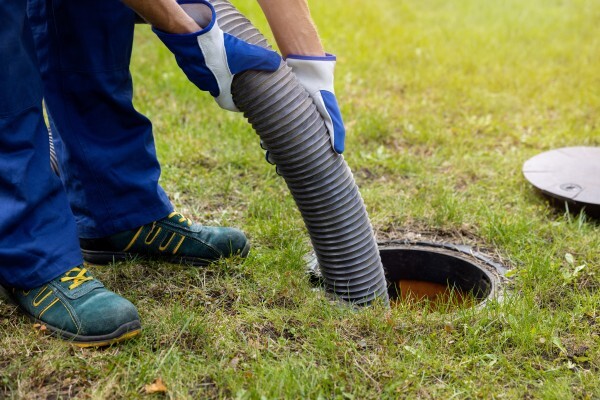
Septic systems require regular inspections and periodic pumping, typically every three to five years, depending on household size and usage. Homeowners should also avoid flushing inappropriate materials or allowing heavy vehicles to drive over the drain field. These practices can damage the system.
Routine maintenance helps extend the life of a septic system and prevents costly repairs.
Which Option Is Right for You?
The best choice often depends on your home’s location. If municipal sewer service is available, many buyers appreciate its simplicity and reduced maintenance requirements. If you're building on rural land, a septic system might be the only practical solution and can provide decades of reliable service when properly installed and maintained.
Before purchasing land for your manufactured home, verify whether sewer service is available or whether a septic system will be required. Speak with local planning offices, health departments, and utility providers to understand permitting requirements, installation costs, and ongoing maintenance obligations.
By researching your wastewater options early in the process, you'll avoid surprises during site preparation and ensure your manufactured home is set up for long-term success. A little planning before installation can save significant time, money, and stress after you move into your new home.