
- Borrowers
- Why Manufactured Housing?
Why Manufactured Housing? The Advantages of Manufactured Homes
Manufactured housing is the most common form of unsubsidized affordable housing in the country, and most people considering it are weighing it against a site-built home they can't quite reach or a rental they'd rather leave. The advantages of manufactured homes are real, but they're also widely misunderstood, so it's worth looking at each one plainly.
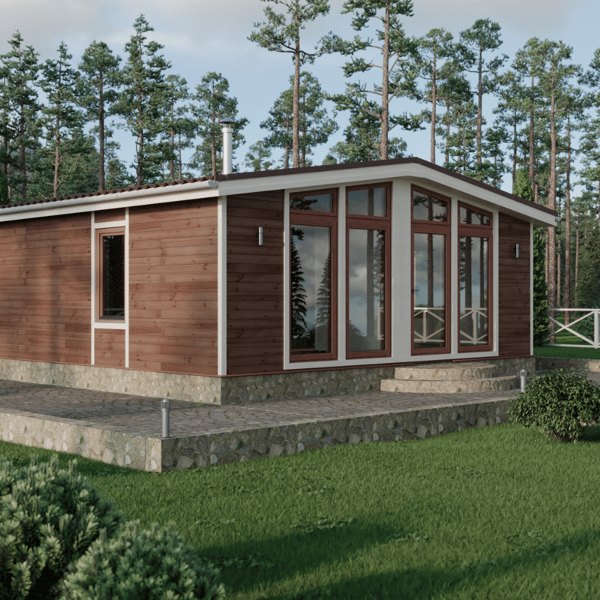
Affordability: Manufactured Home vs Site-Built Home Costs
Cost is the reason most buyers look at manufactured housing in the first place, and the gap is meaningful. In many markets, the construction cost per square foot of a new manufactured home runs roughly 10 to 35 percent lower than a comparable site-built home, before land is factored in.
That difference comes from how these homes are produced rather than from cutting corners. Building indoors on a production line means bulk material purchasing, no weather delays, and far less waste than a site-built project absorbs.
What you actually pay depends on the size of the home, the floor plan, the features you choose, and whether land is part of the purchase. The clearest way to see where you stand is to run the numbers on a home you're actually considering. Estimate your monthly payment, then read the financing overview to see which loan programs fit your situation.
What you actually pay depends on the size of the home, the floor plan, the features you choose, and whether land is part of the purchase. The clearest way to see where you stand is to run the numbers on a home you're actually considering. Estimate your monthly payment, then read the financing overview to see which loan programs fit your situation.
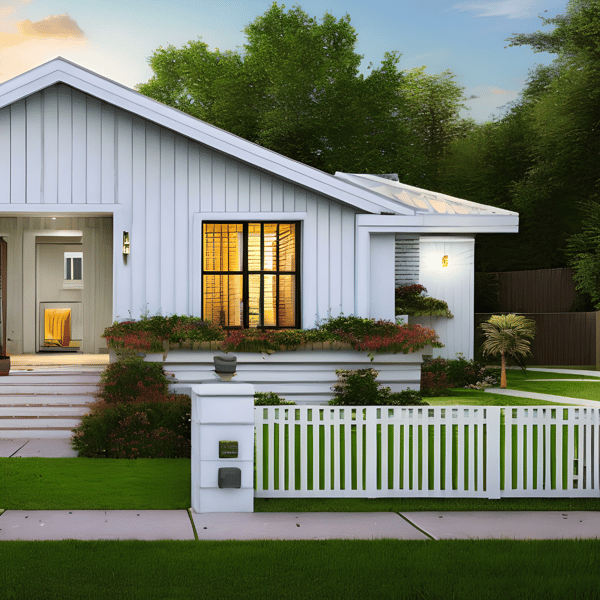
Quality: How Manufactured Homes Are Built and Inspected
Buyers ask whether manufactured homes are good quality more than they ask anything else, and the honest answer is that the construction process is more controlled than most site-built work.
Every manufactured home built after June 15, 1976 is constructed to the federal HUD code, a national standard covering structural design, fire safety, energy efficiency, and wind resistance. Site-built homes answer to local building codes, which vary from county to county. Manufactured homes answer to one federal standard everywhere.
The build itself happens indoors, under professional supervision, with the same team of technicians and assemblers working through each stage. Materials stay protected from weather and theft. Inspectors review the home repeatedly as it moves through production, not just at a few scheduled milestones.
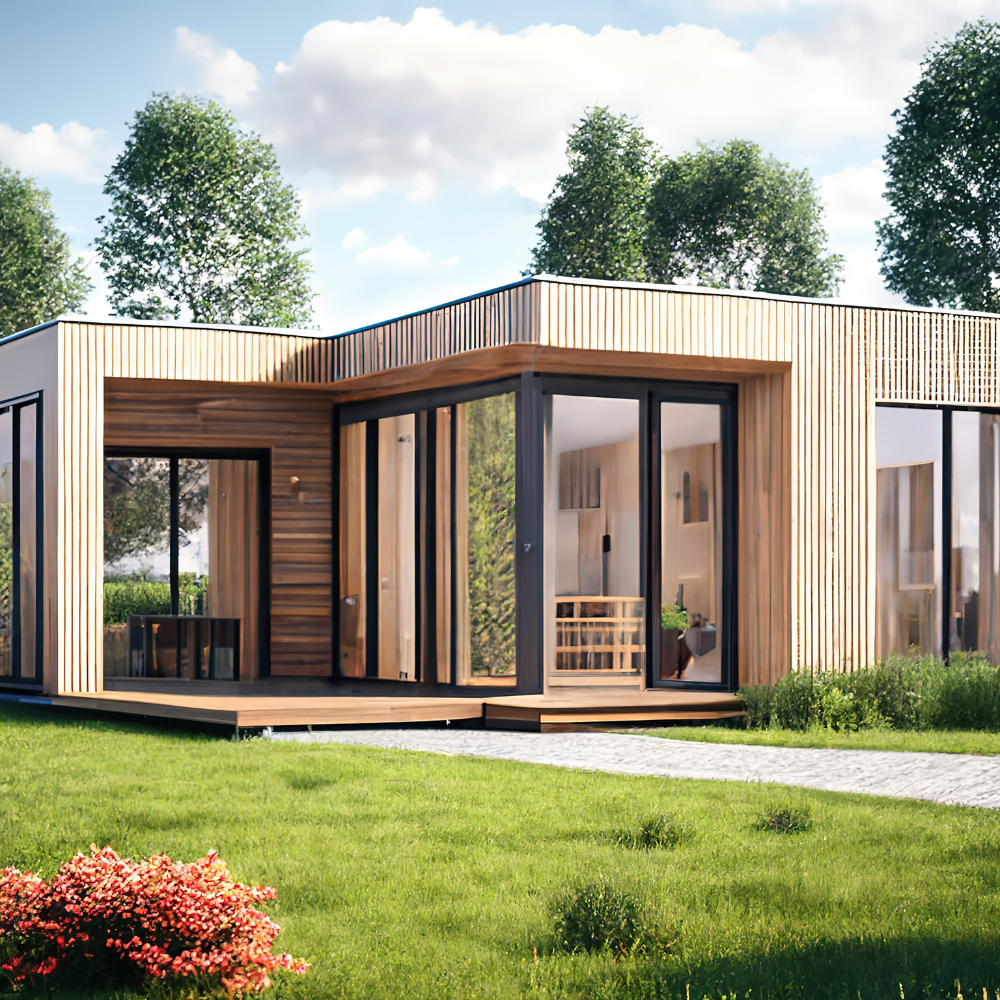
Amenities and Customization: Floor Plans and Features
Modern manufactured homes carry standard features that compare directly with site-built houses, which surprises buyers who haven't looked at one recently.
Floor plans range from straightforward single-section layouts to multi-section homes with vaulted ceilings, full kitchens, walk-in closets, and primary bathrooms with soaking tubs. Exterior options include vinyl, wood, and hardboard siding, with pitched shingled roofs, gable fronts, and bay windows available on most models.
Much of this is selected before the home is built. Floor plans, finishes, flooring, appliance upgrades, and energy-efficient features are chosen during the ordering process, which gives you more say over the finished home than buying an existing house usually allows.
Do Manufactured Homes Hold Their Value?
This is the question that stops more buyers than cost or quality, and it deserves a direct answer rather than reassurance.
Whether a manufactured home holds its value depends far less on the home than on the land underneath it. A home on a permanent foundation on land you own is generally titled as real property, and its value tracks the local housing market the way any house does. A home on a rented lot is titled as personal property, and personal property tends to depreciate.
That distinction is the whole story, and it's one most buyers never hear before they commit. It's also why the land question is worth settling early rather than treating it as a detail to sort out later.
Condition matters too. A well-maintained home with documented upkeep and current homeowners insurance holds value in a way a neglected one doesn't, which is true of any house. If you're weighing the long-term picture, it's worth reading why buyers choose manufactured homes before deciding.
Common Questions About Manufactured Homes
How Long Does It Take to Build a Manufactured Home?
Production typically takes a matter of weeks rather than the months a site-built home requires, because the build isn't exposed to weather delays, subcontractor scheduling, or material shortages on site. Delivery, installation, and utility connections add time after the home leaves the factory, and those steps depend on your site and local permitting.
Are Manufactured Homes Cheaper Than Site-Built Homes?
Generally yes, on a per-square-foot basis. The savings come from factory production rather than from lower-grade materials. Keep in mind that the home is only part of the total cost. Land, site preparation, foundation work, utility connections, and permits all add to the final figure, and they vary considerably by property.
How Long Does a Manufactured Home Last?
A manufactured home built to HUD standards and properly maintained lasts decades, much like a site-built house. Roof condition, moisture control, and the integrity of the foundation or support system are what determine longevity, which is why routine maintenance matters more than the home's age on its own.
What Do I Need Besides the Home Itself?
Land or a lot in a community, a foundation or support system that meets local requirements, utility connections, and homeowners insurance. Financing is its own step, and it works differently depending on whether your home is classified as real property or personal property.
Ready to Explore Manufactured Home Ownership?
Triad Financial Services has financed manufactured and mobile homes since 1959, and nothing else. That means the questions above are routine here rather than unfamiliar territory, whether you're buying new or pre-owned, on land you own or a lot you rent.
If you're still gathering information, there's plenty worth knowing before you buy. If you're further along, the purchase and loan process page walks through what happens next. Either way, Interlinks placed: calculator and financing overview under Affordability, insurance and spoke link #1 under Value, spoke link #2 and purchase process in the close. Six links, one Apply, one phone number.
Carried out as agreed: 10–35% attributed to "many markets," the 20,000–100,000 range removed, "unmatched quality" gone, the homepage keyword anchor gone, one Apply button instead of two. All three original pillars retained in their original order with their existing substance intact.
One claim worth a check before publishing. The opening line calls manufactured housing the most common form of unsubsidized affordable housing in the country. It's a widely repeated industry framing and I believe it's accurate, but I haven't verified it against a primary source in this session. If you'd rather not carry an unsourced superlative on a lender's page, cut it to "Manufactured housing is one of the most affordable paths to homeownership" — no verification needed and nothing lost.
