
How to Prepare Land for a Manufactured Home | Checklist
August 20, 2026
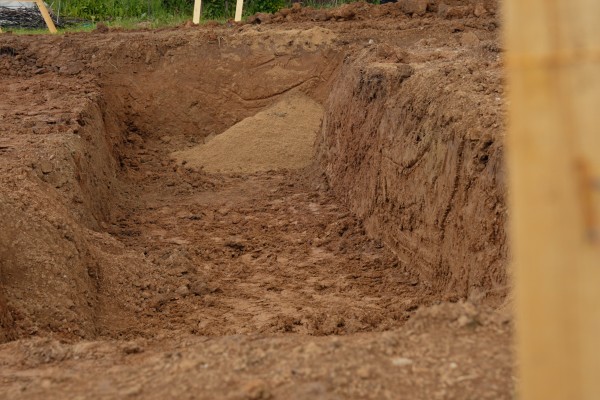
Preparing your land is one of the most important steps in the manufactured home buying process. Even the highest-quality home can’t be installed properly if the site isn't ready. From clearing the property to ensuring proper drainage, thoughtful site preparation helps to prevent delays, protect your investment, and create a solid foundation for years to come.
Here's what every homeowner should know on how to prepare land for a manufactured home.
Manufactured Home Site Preparation Checklist
-
Start with a Site Evaluation
Before any work begins, evaluate the property to find potential issues and look at the manufactured home land prep costs. Assess the slope of the land, soil conditions, access for delivery trucks, and any existing trees, rocks, or structures that might need to be removed.
It's also a good idea to confirm local zoning regulations, setback requirements, and permit needs before scheduling construction or home delivery. Addressing these details early can help you avoid unexpected setbacks later in the process.
-
Clear and Prepare the Building Site
The area where the manufactured home will be placed should be totally cleared of trees, brush, stumps, large rocks, and debris. If the property has uneven terrain, excavation equipment might be needed to create a level building area.
Keep in mind that it's not just the home's footprint that matters. Delivery crews need enough room to maneuver large sections of the home safely, so access roads and turning areas should also be free of obstacles.
-
Grade the Land Properly
Grading the land for manufactured home installation helps direct water away from the home and foundation. Ideally, the ground should slope gently away from the home on all sides, reducing the risk of standing water and soil erosion.
Poor grading can lead to moisture problems, foundation movement, and damage beneath the home over time. And investing in professional grading before installation will be far less expensive than repairing water-related issues later.
The exact grading requirements will depend on your property's topography and local building standards, so it's important to follow recommendations from your installer or site contractor.
Plan for Effective Drainage
Good drainage works hand in hand with proper grading. Rainwater should have a clear path away from the home to prevent pooling around the foundation.
Depending on your property, drainage improvements may include swales, culverts, gravel channels, or French drains to redirect water. Gutters and downspouts can also play an important role once the home is installed by carrying roof runoff away from the foundation.
A well-designed drainage plan helps protect your home, landscaping, and foundation from long-term water damage.
Install the Foundation and Utilities
Before delivery day, the home's foundation or support system should be completed according to local building codes and the manufacturer's installation requirements. This could include concrete footings, piers, slab foundations, or other approved systems.
At the same time, utility connections should be coordinated. Electrical service, water lines, and other infrastructure should be scheduled so they’re ready when installation is complete. Proper planning helps avoid unnecessary delays after the home arrives.
Prepare for Delivery Day
As delivery approaches, inspect the property one last time. Make sure access roads are stable enough for heavy trucks and that low-hanging tree branches, fences, or utility obstacles have been removed if necessary.
If weather conditions have changed the site, like heavy rain creating muddy areas, address those issues before the delivery crew arrives. Clear communication with your retailer, installer, and contractors helps ensure everyone is working from the same timeline.
Careful site preparation lays the groundwork for a smooth installation and a successful move-in. By completing grading, drainage, utility work, and foundation preparation before delivery day, you'll help keep your project on schedule while protecting your manufactured home for years to come.