
Do Home Upgrades Increase Manufactured Home Value
October 23, 2026
If you own a manufactured home and are thinking about renovating, it’s natural to wonder whether the money you spend today will come back to you when you sell. The answer is: sometimes. Certain improvements can make your home more appealing to buyers and lead to a higher resale price, while others might cost more than they add to the home’s value.
The key is choosing upgrades that improve comfort, appearance, functionality, and condition without over-improving the home for its market.
Upgrades That Can Be Worth the Investment
Kitchen improvements
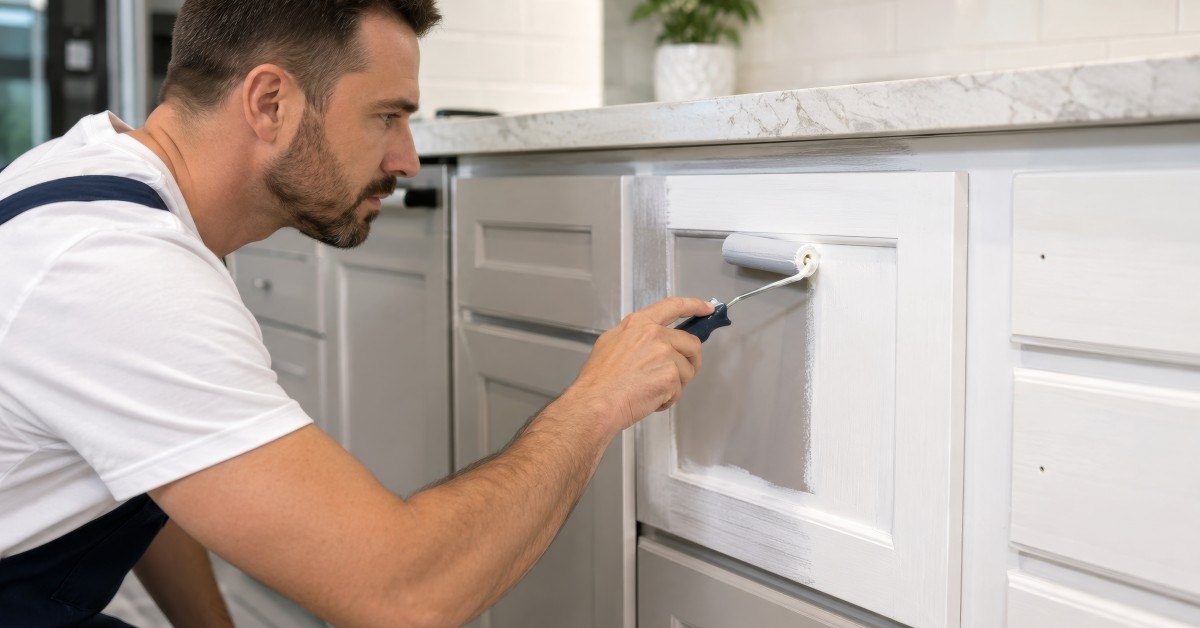
They are a smart place to start. You don’t necessarily need a complete remodel. Updating cabinet hardware, replacing worn countertops, installing modern lighting, or upgrading an outdated faucet can give the kitchen a fresh look without an excessive price tag. If cabinets are damaged or the appliances are significantly outdated, replacing those items could also improve buyer appeal.
Bathroom updates
They provide similar benefits. New fixtures, fresh flooring, updated lighting, a modern vanity, or a new mirror can make a dated bathroom feel more current. Addressing visible problems such as leaks, damaged flooring, or poor ventilation should take priority over purely cosmetic changes.
Energy-efficiency upgrades
They might also be worthwhile. Improvements such as energy-efficient windows, better insulation, LED lighting, and efficient heating or cooling equipment can make the home more comfortable and potentially reduce utility costs. Buyers may appreciate those ongoing savings, especially when the upgrades are properly installed and documented.
Don’t Overlook Maintenance And Curb Appeal
Fresh exterior paint, attractive landscaping, repaired skirting, a well-maintained porch, and a clean, welcoming entryway can create a great first impression. More importantly, fixing deferred maintenance can prevent buyers from viewing the home as a project.
Upgrades That Might Not Pay Off
Not every expensive improvement increases resale value proportionally. Highly customized renovations can be risky because your preferences might not match what the next buyer wants. Luxury finishes, elaborate built-ins, unusually expensive fixtures, or highly specialized rooms could make the home more expensive without making it significantly more valuable.
Major additions should also be approached carefully. Before expanding a manufactured home, consider local regulations, installation requirements, permits, and whether buyers in your market actually value the added space enough to justify the expense.
Pools, elaborate outdoor features, and other costly amenities can have limited resale impact depending on the location and buyer demand. They may be worthwhile if you plan to enjoy them for years, but they shouldn’t automatically be viewed as investments.
Think Beyond the Renovation
Before spending money, research comparable manufactured homes in your area and look at what similar properties are selling for. Consider your home’s age, condition, location, community, and ownership structure. An improvement that makes sense for one market may not make sense in another.
A good rule is to prioritize necessary repairs, practical improvements, and broadly appealing updates. Keep your budget proportional to the home’s expected value, and avoid assuming that every dollar spent on remodeling will return a dollar at resale.
The best upgrade is often one that improves your everyday experience while also making the home easier to sell. If you would enjoy the improvement now and it helps your home compete with similar properties later, it may be money well spent.