
Used Mobile Home Loans: A Borrower's Guide
August 21, 2024
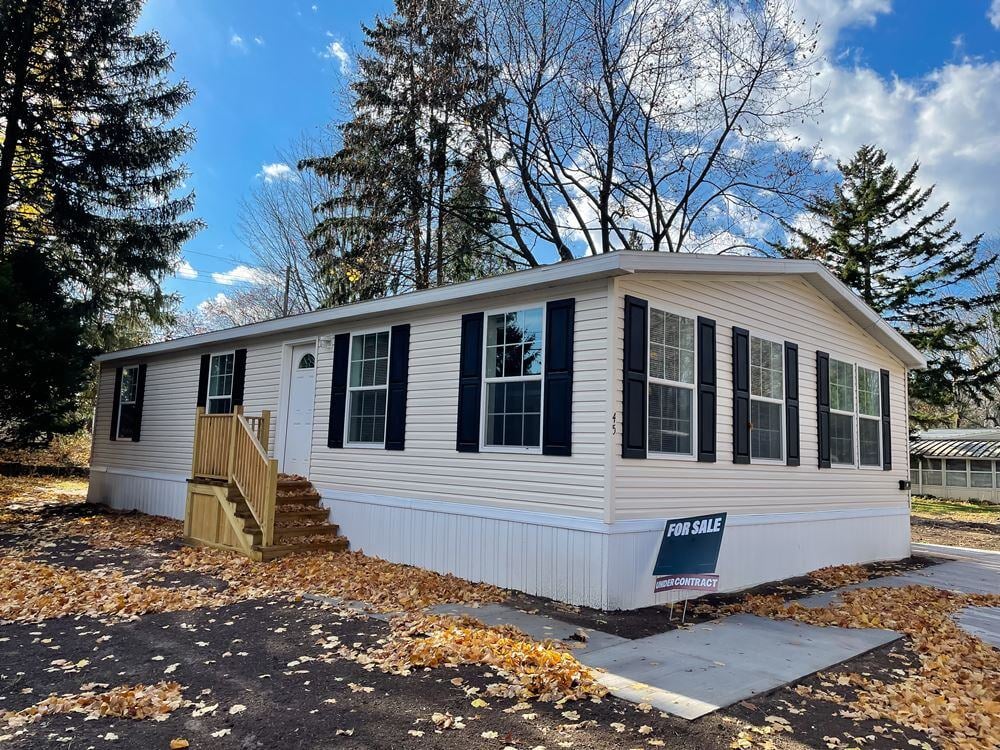
So you've found a used mobile home that checks every box — the price is right, the location works, and it genuinely feels like home. But now comes the part that trips most people up: figuring out how to actually pay for it.
Financing a pre-owned manufactured home is a different process than getting a regular mortgage, and it can feel really frustrating when the answers you find online are vague or you keep hearing "no" from lenders. This guide is here to change that. We'll walk you through exactly what loan options are available, what lenders are looking for, and what steps to take so you can move forward with confidence — not confusion.
Why Buying a Used Mobile Home Is Smarter Than You Think Right Now
The Affordable Homeownership Path Most People Overlook
In a market where traditional home prices keep climbing, used manufactured homes are one of the most genuinely affordable ways to own a place that's truly yours. You can often find a solid, well-maintained home for a fraction of what a site-built house in the same area would cost. That's real money you're not spending — or borrowing.
How Used Manufactured Homes Compare to New Ones (And Why It Matters for Financing)
Here's something most buyers don't realize going in: the fact that a home is "used" directly affects what loans you can access, the rates you'll be offered, and the down payment you'll need. Lenders treat used manufactured homes differently from new ones, primarily because of depreciation risk and age restrictions. Understanding that upfront saves you a lot of wasted time with the wrong lenders.
What Kind of Loan Do You Actually Need for a Used Mobile Home?
This is honestly where most buyers get confused, so let's break it down simply. The type of loan that makes sense for you depends on two key things: whether you own the land the home sits on, and how the home is legally classified. Get clear on those two things first, and everything else falls into place.
The Real Difference Between a Chattel Loan and a Traditional Mortgage for Used Homes
A traditional mortgage treats your home as real estate. A chattel loan treats it as personal property — similar to how you'd finance a vehicle. Chattel loans are extremely common for used mobile homes, especially when the home isn't permanently attached to land you own. They're often easier to qualify for, but they typically come with higher interest rates and shorter loan terms.
When Your Home Is in a Park vs. on Your Own Land: How It Changes Everything
If the home sits in a mobile home park where you lease the land, your loan options are more limited — chattel loans and certain government-backed programs like FHA Title I tend to be your most realistic paths. If the home is on land you own or plan to buy, you have access to more loan types, often with better terms. Knowing this upfront helps you shop for the right lender from the start.
Personal Property vs. Real Property: The Classification That Decides Your Loan Options
If your home is classified as personal property, it can't be financed like a house — full stop. If it's classified as real property (meaning it's on a permanent foundation on land you own), you may qualify for conventional mortgage options with better rates. This classification also affects how the home is taxed and whether it can build equity the way a traditional home does.
Used Mobile Home Loan Requirements: What Lenders Are Really Looking For
It's true that it can be hard to get a loan on an older manufactured home — but that doesn't mean it's impossible. Lenders have specific criteria they're evaluating, and the more you understand those criteria, the better you can prepare. Here's what actually matters.
The Age Factor: Why the Year Your Home Was Built Affects Your Financing Options
Most lenders won't finance homes older than 20 to 25 years, and some have stricter cutoffs. The reason is depreciation — older homes carry more risk in a lender's eyes. It really can be hard to get a loan on an older manufactured home through traditional channels, which is exactly why working with a lender who specializes in this space makes such a big difference.
What the June 15, 1976 HUD Cutoff Means for Buyers (And What to Do If Your Home Is Older)
Homes built before June 15, 1976 are called pre-HUD homes — they were constructed before federal safety and building standards existed. Most lenders, including Triad Financial Services, don't offer financing for pre-HUD homes. If you're looking at one of these older homes, here's what you need to know:
- Financing through traditional lenders is extremely limited for pre-HUD homes
- Personal loans or seller financing may be the only realistic options
- Look for the HUD certification tag on the exterior wall to confirm the build date
- If the tag is missing, a HUD label verification letter can sometimes be obtained
Credit Score, Down Payment, and Income: What to Realistically Expect
For most used mobile home loan programs, lenders typically want to see a credit score of at least 580, though some programs accept lower. Down payments on used homes usually run higher than on new ones — expect anywhere from 10% to 20% depending on the loan type and your credit profile. Having steady, documented income matters just as much as your score.
Financing a Used Manufactured Home in a Mobile Home Park: What No One Tells You
Why Park-Based Homes Are Harder to Finance — And How to Still Make It Work
When the home is in a park on leased land, many mainstream lenders simply won't touch it. That's not because the home is a bad deal — it's because lenders have less security when they don't own the land. But specialized manufactured home lenders work in this space every day, and they have loan products built specifically for park-based buyers.
What to Expect on Rates, Terms, and Down Payments for Leased-Land Homes
Be prepared for slightly higher rates and shorter loan terms — typically 15 to 20 years — compared to what you'd see on a real property mortgage. Down payments may be higher as well. The upside is that monthly payments on a lower-priced used home can still be very affordable, even with these factors in play. Running your numbers with a mortgage affordability calculator before you apply is always a smart move.
Lenders That Actually Specialize in This (And Why It Makes a Difference)
Not all lenders understand manufactured housing, and a "no" from a bank that doesn't specialize in this area doesn't mean you don't qualify anywhere. Specialists like Triad Financial Services know how to evaluate your full financial picture and match you with the right program for your specific situation — including park-based homes.
Your Step-by-Step Roadmap to Getting a Used Mobile Home Loan
The process doesn't have to feel overwhelming. Here's a practical sequence that keeps you moving in the right direction.
Step 1: Inspect the Home and Verify the HUD Certification Tag
Before anything else, confirm when the home was built and that it meets HUD standards. Look for the metal HUD tag on the exterior — this is what lenders will ask about. If it's missing, that's a problem worth solving before you go any further in the process.
Step 2: Confirm Title Status and Check for Outstanding Liens
Used homes sometimes come with complicated title histories — unpaid loans, unresolved liens, or even a vehicle title that was never converted to real property. Run a title search early. Discovering title issues after you've applied for financing wastes everyone's time and can kill a deal at the worst possible moment.
Step 3: Understand the Foundation — It Directly Impacts Your Loan Type
Is the home on a permanent foundation or on blocks, piers, or a non-permanent setup? This single factor determines whether you can access conventional mortgage financing or whether you're working with chattel loan options. If the home isn't on a permanent foundation but could be, that conversion might be worth exploring.
Step 4: Choose the Right Loan Program for Your Situation
Once you know the home's classification, age, foundation status, and whether you'll own the land, you can match yourself to the right loan type. Options include chattel loans, FHA Title I (for personal property), FHA Title II (for real property), and conventional programs like Fannie Mae or Freddie Mac for qualifying homes. If you're not sure which fits, ask — that's what a good lender is there for.
Step 5: Apply With a Lender Who Knows Manufactured Housing
Apply with a lender who works with manufactured homes regularly, not one who treats it as an edge case. They'll ask the right questions, know which programs apply, and help you avoid delays. Gather your proof of income, bank statements, ID, and home details beforehand so the process moves as smoothly as possible.
Used Mobile Home Loan vs. New Home Loan: The Real Cost Difference
Side-by-Side: How Rates and Terms Actually Compare
New manufactured home loans often come with lower interest rates and longer terms — up to 30 years in some programs. Used home loans tend to carry slightly higher rates and shorter terms, usually 15 to 20 years. That said, because the purchase price of a used home is significantly lower, the monthly payment can still land well below what you'd pay on a new home, even with the less favorable terms.
What a $10K Difference in Purchase Price Does to Your Monthly Payment
Consider a $80,000 used home with a 20-year loan at 8.5% versus a $120,000 new home at 7% over 20 years. The used home payment comes in around $693/month; the new one around $930/month. That's nearly $240 less every single month — which adds up fast. Use Triad's mortgage affordability calculator to run your own real numbers before committing to anything.
Is Financing a Used Home Worth It? An Honest Look at the Numbers
For many buyers — especially first-timers, retirees on fixed incomes, or anyone tired of renting — used manufactured homes are one of the most practical paths to actually owning a home. Yes, rates are a bit higher and terms are sometimes shorter. But when the alternative is paying rent indefinitely with no equity and no stability, the math often still strongly favors buying. The key is going in with realistic expectations and the right lender in your corner.
How to Improve Your Chances of Getting Approved — Even With a Lower Credit Score
What Lenders Look at Beyond Your Credit Score When You're Buying Used
Credit score matters, but it's not the whole story. Lenders also weigh your debt-to-income ratio, employment stability, down payment size, and the condition of the home itself. A lower score paired with a solid down payment and consistent income can often still get you to an approval — especially with a lender who genuinely understands manufactured housing.
Practical Steps to Strengthen Your Application Before You Apply
A few things worth doing before you submit anything:
- Pull your credit report and dispute any errors you find
- Pay down high-balance revolving accounts where possible
- Save a larger down payment — it reduces lender risk and can offset a lower score
- Avoid opening new credit accounts in the months before applying
- Gather your income documentation early: pay stubs, tax returns, bank statements
How Triad Financial Services Evaluates Your Full Financial Picture — Not Just a Number
At Triad, the goal isn't to find a reason to say no — it's to find the right program that works for your situation. The team looks at your complete financial profile and matches you with programs where you have the strongest shot at approval. If your score isn't quite where it needs to be yet, they can help you understand what to work on and when to reapply.
Navigating Title and Deed Issues When Buying a Used Mobile Home
Why Title Problems Are So Common With Pre-Owned Mobile Homes
Used mobile homes change hands informally more often than people realize — sometimes without proper title transfers, or with old liens still attached. It's one of the most common reasons financing falls through at the last minute. Before you fall in love with a home, confirm the seller has a clean title in their name and that no outstanding liens exist.
How to Convert a Vehicle Title to Real Property — And When You Should
Many older manufactured homes are still titled as vehicles, which limits financing options significantly. Converting to real property — by retiring the vehicle title and recording a deed — unlocks access to conventional mortgage programs and better rates. The process involves placing the home on a qualifying permanent foundation, filing paperwork with your county, and meeting your state's specific requirements.
States Where This Process Is Easier (And What to Watch Out For)
Some states, like Texas, have streamlined the title conversion process in recent years. Others require more steps or even court involvement. The key is to work with a lender and possibly a title company that has real experience with manufactured housing conversions — they'll know the rules in your state and help you avoid unnecessary delays.
Got Questions? Here's What Used Mobile Home Buyers Ask Us Most
Can I Get a Loan on a Used Mobile Home if My Credit Score Is Below 620?
Yes, it's possible. Some chattel loan programs and FHA Title I loans accept scores as low as 575–580. Your best bet is to work with a lender who specializes in manufactured housing, since they'll have access to more flexible programs than a standard bank. A larger down payment can also help offset a lower score significantly.
How Old Can a Mobile Home Be and Still Qualify for Financing?
Most lenders cap financing at homes that are 20 to 25 years old, though some specialty lenders have more flexibility. Homes built before June 15, 1976 are generally not financeable through traditional lenders. The home's overall condition and maintenance history can also factor into a lender's willingness to approve the loan.
What Happens if the Home I Want Is in a Mobile Home Park — Am I Out of Options?
Not at all — you just need the right lender. Park-based homes on leased land are typically financed through chattel loans or FHA Title I programs, both of which are built for exactly this situation. Rates and terms will look a little different from a real property mortgage, but financing is absolutely available.
Is It True That Used Mobile Home Loans Have Higher Interest Rates Than Regular Mortgages?
Generally, yes — especially for chattel loans, which tend to carry higher rates because the home is treated as personal property rather than real estate. However, because used manufactured homes are priced much lower than site-built homes, the monthly payment is often still very manageable. Shopping multiple lenders is the best way to find the most competitive rate available to you.
Does It Matter if the Home Was Ever Moved From Its Original Location?
It can. Some lenders and loan programs require that the home has not been relocated after its initial setup, or they'll scrutinize its structural integrity more closely if it has been moved. Always disclose this to your lender upfront and have the home professionally inspected if there's any uncertainty about its condition post-relocation.
What's the Difference Between a Chattel Loan and a Personal Loan for a Mobile Home?
A chattel loan is secured by the home itself — similar to an auto loan — which gives the lender collateral and typically results in better terms than an unsecured personal loan. Personal loans aren't tied to the home at all, which makes them more flexible but usually comes with higher rates and shorter terms. For most used mobile home buyers, a chattel loan is the stronger long-term option if you qualify.
Can I Use an FHA Loan to Buy a Used Manufactured Home?
Yes, in many cases. FHA Title I loans are designed for manufactured homes on leased or personally owned land, while FHA Title II loans cover homes with land on a permanent foundation. Both programs require the home to have been built after June 15, 1976 and to meet HUD construction standards, making them a popular path for first-time buyers with flexible credit needs.
What Should I Look for in a Lender When Financing a Used Mobile Home?
Look for a lender who specifically works with manufactured housing — not one who treats it as an occasional exception. They should be familiar with chattel loans, FHA Title I and II programs, and the unique age and classification rules that apply to used homes. Transparent communication, clear explanations of all your options, and a willingness to answer your questions are all signs you're working with the right person.
Your Next Step Toward Owning a Used Mobile Home — Without the Guesswork
How Triad Financial Services Has Helped Buyers Just Like You Finance Used Homes
Triad Financial Services has been helping people finance manufactured homes for over 65 years — including plenty of buyers who were turned down elsewhere. With programs covering both personal property and real property, flexible credit evaluation, and a team that truly understands manufactured housing from the inside out, Triad is built for exactly this kind of situation. You're not a corner case here — you're exactly who they're here to help.
Ready to See What You Qualify For? Here's How to Get Started
The best first step is simply to explore your options with someone who knows this space well. Check out Triad's financing overview to understand what programs are available, use the mortgage affordability calculator to get a realistic sense of your budget, and when you're ready, apply online or reach out to the team directly. Homeownership is closer than it might feel right now — and you don't have to figure it all out on your own.